Shifts in Preferred Game Types Among Austrian Players as Mobile Technology Advances
Devon Schwarz · Oct 9, 2026
Shifts in Preferred Game Types Among Austrian Players as Mobile Technology Advances
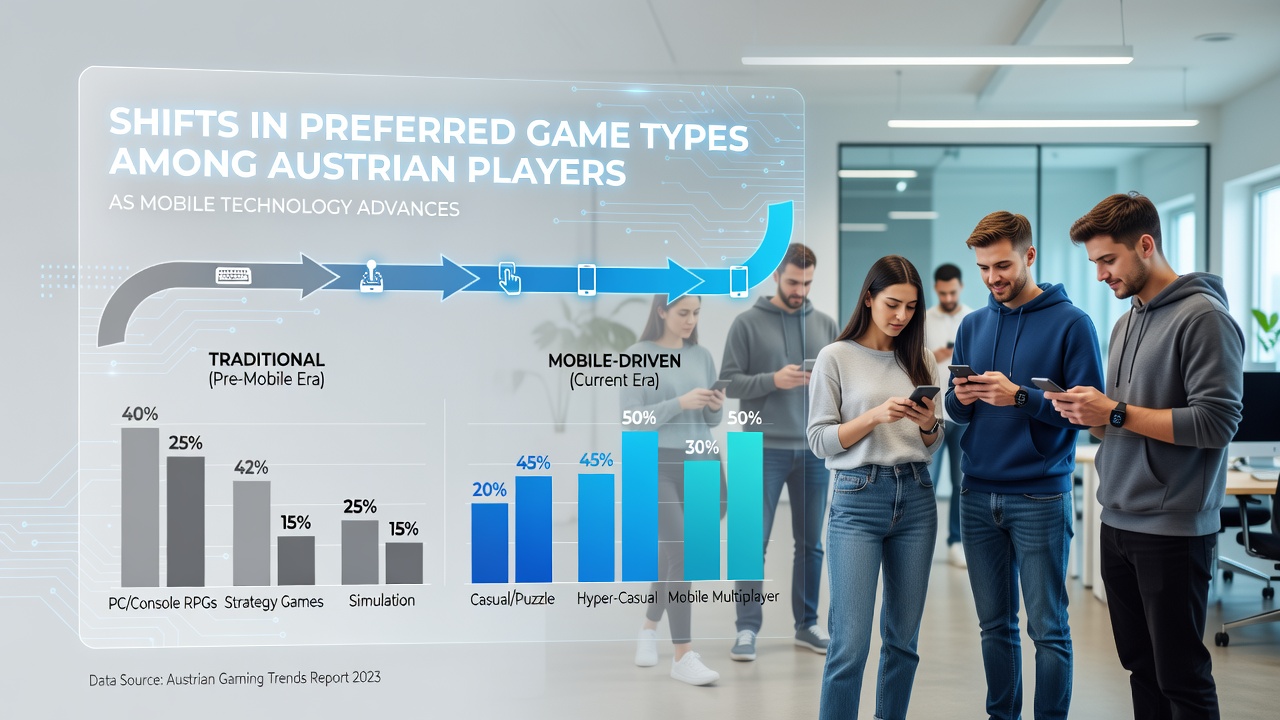
Advances in mobile technology continue to reshape game preferences among Austrian players, with data tracking a move away from desktop-focused titles toward experiences optimized for touchscreens and shorter sessions, and researchers at institutions across Europe have documented these patterns through surveys conducted between 2023 and 2026.
Early Adoption Patterns in Mobile Gaming
Initial shifts began as smartphone penetration reached higher levels in Austria around 2018, when players started favoring games that supported quick loading times and intuitive controls, while traditional slot machines on desktop platforms saw reduced engagement according to reports compiled by the European Gaming and Betting Association at https://www.egba.eu/.
Those who monitored usage logs noted that mobile versions of table games gained traction first, because swipe mechanics and portrait orientation allowed seamless play during commutes or brief breaks, and this trend accelerated as 5G networks expanded coverage in urban centers like Vienna and Graz.
Data on Changing Preferences Through 2026
Figures from industry monitoring services reveal that mobile casino games accounted for over 60 percent of total playtime among Austrian users by mid-2025, with particular growth in instant-win formats and casual puzzle hybrids that blend elements of slots with progression systems, and observers tracking October 2026 activity report continued acceleration in these categories following hardware upgrades in flagship devices.
Studies examining player behavior indicate a corresponding decline in preferences for complex strategy titles that require larger screens, although certain live dealer variants adapted well once developers introduced multi-camera angles and low-latency streaming tailored for smaller displays.
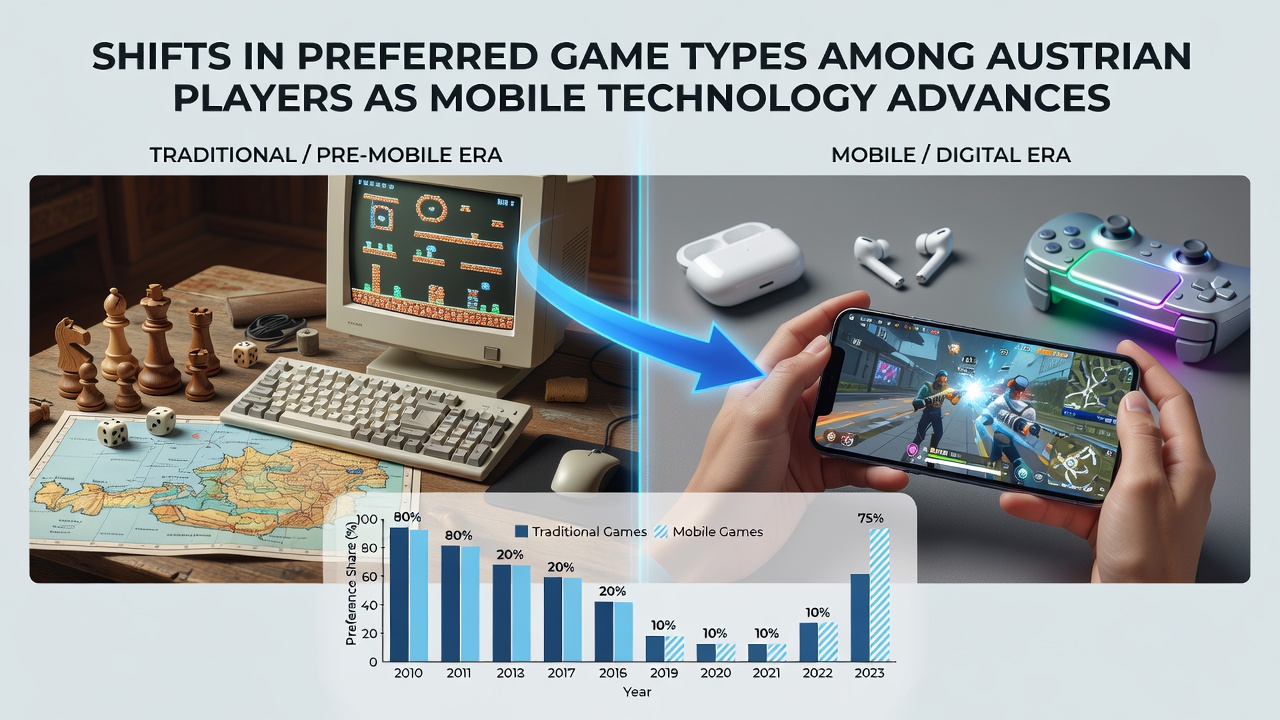
One analysis of transaction records showed that sessions lasting under ten minutes became the norm on mobile, prompting providers to emphasize games with rapid rounds and minimal setup, whereas longer narrative-driven experiences retained appeal primarily on tablets or laptops.
Influence of Network Infrastructure and Device Capabilities
Improved battery efficiency and higher refresh rates in recent smartphone models enabled more demanding graphics in mobile slots and arcade-style games, leading Austrian players to sample new mechanics such as cluster pays and cascading reels that perform smoothly on the go, and data from regulatory filings confirm these adaptations aligned with broader European patterns documented in cross-border comparisons.
Wireless charging stations in public spaces and expanded public Wi-Fi further supported extended mobile sessions, although rural areas still show slower uptake due to coverage gaps, and experts reviewing October 2026 metrics note that 6G pilot tests in select Austrian cities have begun testing even lower latency for real-time multiplayer features.
Regulatory Context Shaping Mobile Game Availability
Austrian licensing requirements emphasize responsible play tools that integrate directly into mobile interfaces, which has influenced the popularity of games offering built-in session limits and spending trackers, and authorities have updated guidelines periodically to address emerging formats like skill-based elements mixed with chance outcomes.
Cross-referenced statistics from government databases highlight how these rules encouraged developers to prioritize transparent mechanics that display probabilities clearly on smaller screens, resulting in higher retention for certain categories over others.
Regional Comparisons and Broader Trends
Comparisons with data from Canadian research groups, such as those affiliated with academic centers studying digital entertainment, show similar transitions toward mobile-first designs, although Austrian players demonstrate stronger retention in localized themes that incorporate regional symbols and history, and this differentiation appears tied to cultural familiarity rather than technical factors alone.
Market reports indicate that hybrid games combining elements of traditional Austrian card games with mobile swipe controls have carved out a niche, while pure video poker variants have stabilized after initial dips.
Conclusion
Overall patterns confirm that mobile technology continues driving measurable changes in the types of games Austrian players select, with ongoing infrastructure improvements and device innovations sustaining these movements into late 2026, and continued monitoring by regulatory bodies and industry associations will track how preferences evolve alongside further technical developments.