Austria's Certification Processes for Random Number Generators in Licensed Slot Platforms
Rosa Bauer · Nov 20, 2026
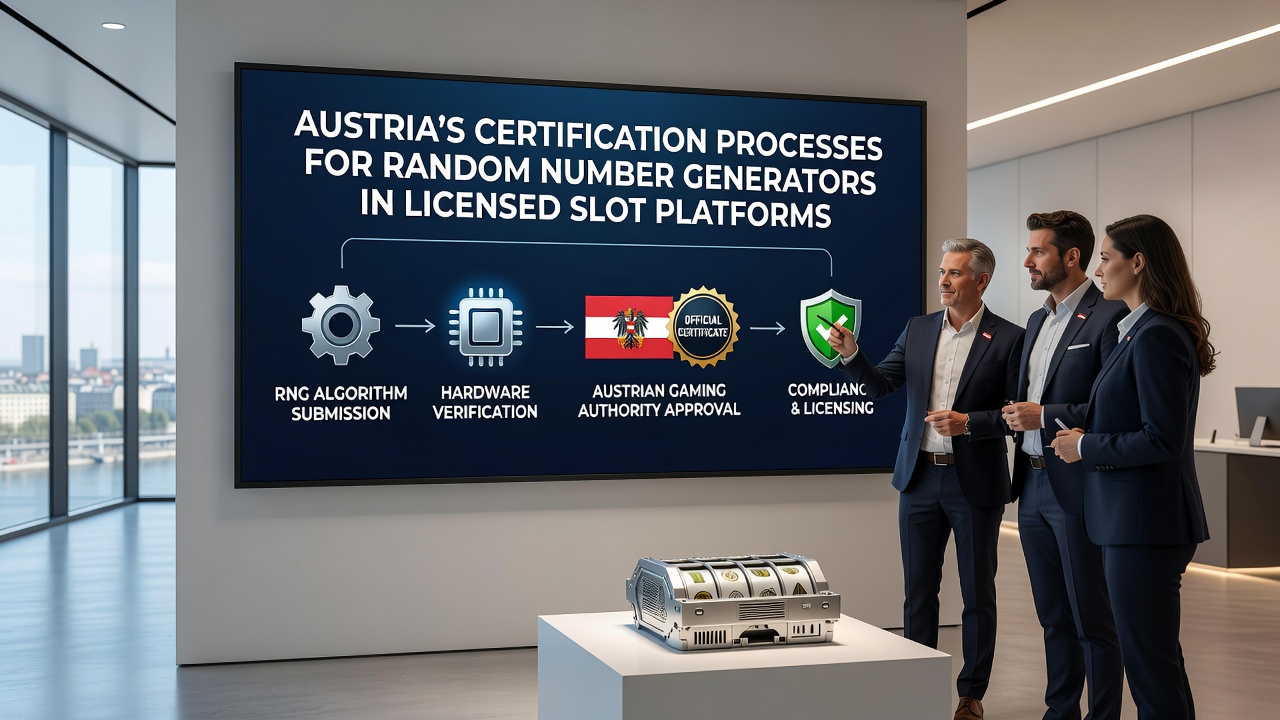
Austria's Certification Processes for Random Number Generators in Licensed Slot Platforms
Regulatory Framework Governing RNG Approval
Austria maintains a structured system for RNG certification that ties directly into the Glücksspielgesetz and oversight from the Federal Ministry of Finance along with specialized gaming authorities, and operators seeking licenses must demonstrate that their slot platforms use certified generators meeting uniform statistical standards before any public deployment occurs.
Data from industry reports indicate that testing occurs through accredited laboratories recognized across the European Union, where algorithms undergo evaluation for randomness using methods such as diehard tests and NIST suites while ensuring no predictable patterns emerge during extended simulation runs.
Step-by-Step Certification Procedures
The process begins when a platform developer submits source code and hardware specifications to an approved testing body, after which laboratories conduct initial statistical analysis on millions of generated sequences to verify uniformity and independence while documentation requirements include detailed descriptions of seeding mechanisms and entropy sources.
Once preliminary checks pass, auditors perform on-site inspections at data centers to confirm that live environments match submitted configurations, and any deviations trigger additional review cycles that can extend timelines by several weeks depending on the complexity of the integration.
Those who manage licensed platforms in Austria often discover that recertification cycles repeat every twelve to eighteen months or immediately following major software updates, since authorities require fresh validation to maintain ongoing compliance with evolving technical benchmarks.
Technical Standards and Testing Protocols
Standards applied in these evaluations draw from international frameworks adapted for local use, including requirements for minimum entropy levels and resistance to common attack vectors such as seed manipulation or side-channel analysis, while observers note that Austrian guidelines emphasize both software-based and hardware-based RNG solutions used in slot machines.
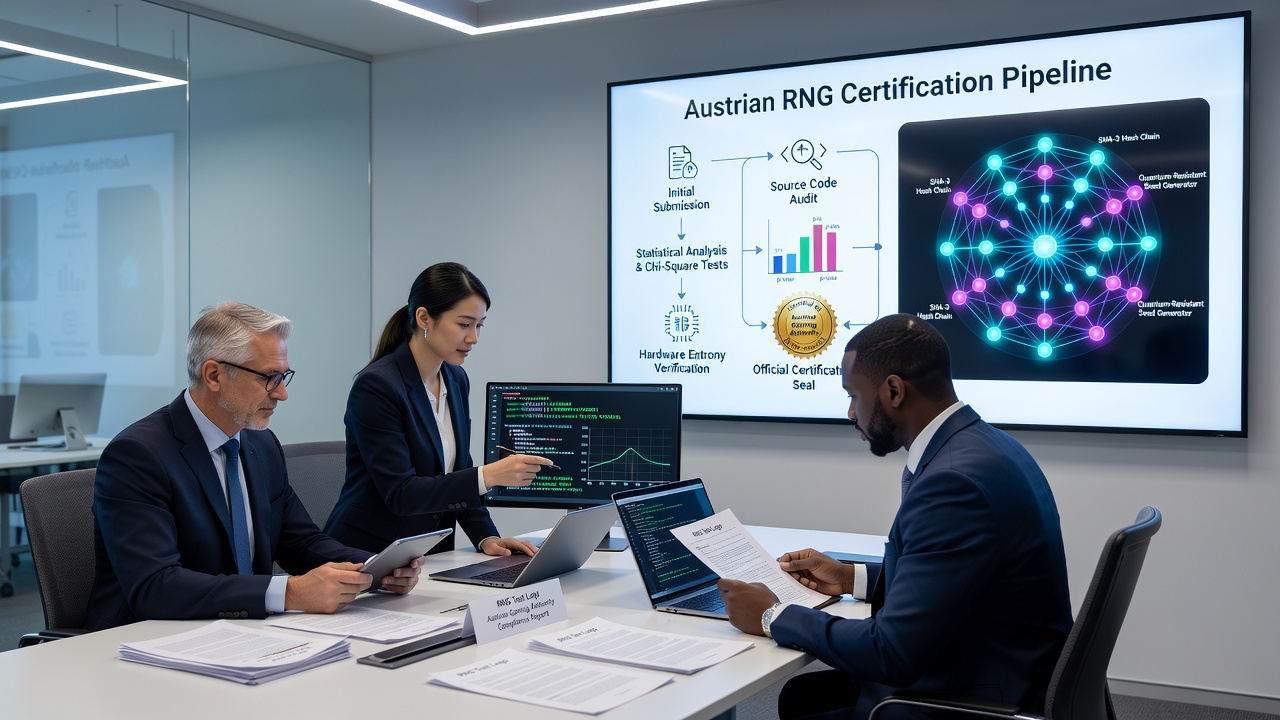
Research indicates that certified systems must demonstrate performance across temperature variations and power fluctuations to simulate real-world conditions, and figures from regulatory summaries reveal that failure rates during initial submissions hover around fifteen percent primarily due to insufficient documentation rather than actual algorithmic flaws.
Integration with Licensed Slot Platforms
Once certification completes, platforms receive unique identifiers that appear in regulatory databases accessible to operators and auditors, allowing quick verification during routine compliance checks or following player complaints about game outcomes, and this traceability supports transparency across the mobile and desktop environments popular in the Austrian market.
What's interesting is how November 2026 has seen updated guidance from authorities encouraging adoption of quantum-resistant algorithms in new submissions, since emerging computational threats could challenge existing pseudorandom methods over the coming years.
Take one case where experts found that a major provider adjusted its entropy harvesting process after certification feedback, resulting in smoother approval for subsequent titles released during the autumn period.
Role of Accredited Laboratories and International Alignment
Accredited labs operating under ISO 17025 standards handle the bulk of evaluations for Austrian licensees, and these facilities maintain cross-border recognition that facilitates mutual acceptance of certificates issued in other EU member states, although local authorities retain final approval authority and may request supplementary testing when jurisdictional differences arise.
According to data compiled by European research institutions, Austria processes approximately forty RNG submissions annually with an average review duration of six weeks, and this pace reflects the balance between thoroughness and the need to support timely market entries for compliant operators.
Conclusion
Austria's approach to RNG certification combines rigorous statistical validation with practical oversight mechanisms that keep licensed slot platforms aligned with legal and technical expectations, and continued alignment with international developments ensures the system adapts as technology advances while preserving player trust in regulated environments.